Driveway Sealing Knoxville TN | How Often, DIY vs Pro & What It Actually Costs
Asphalt & Driveway Care · Feb 17, 2026 · By Nicholas Dunn
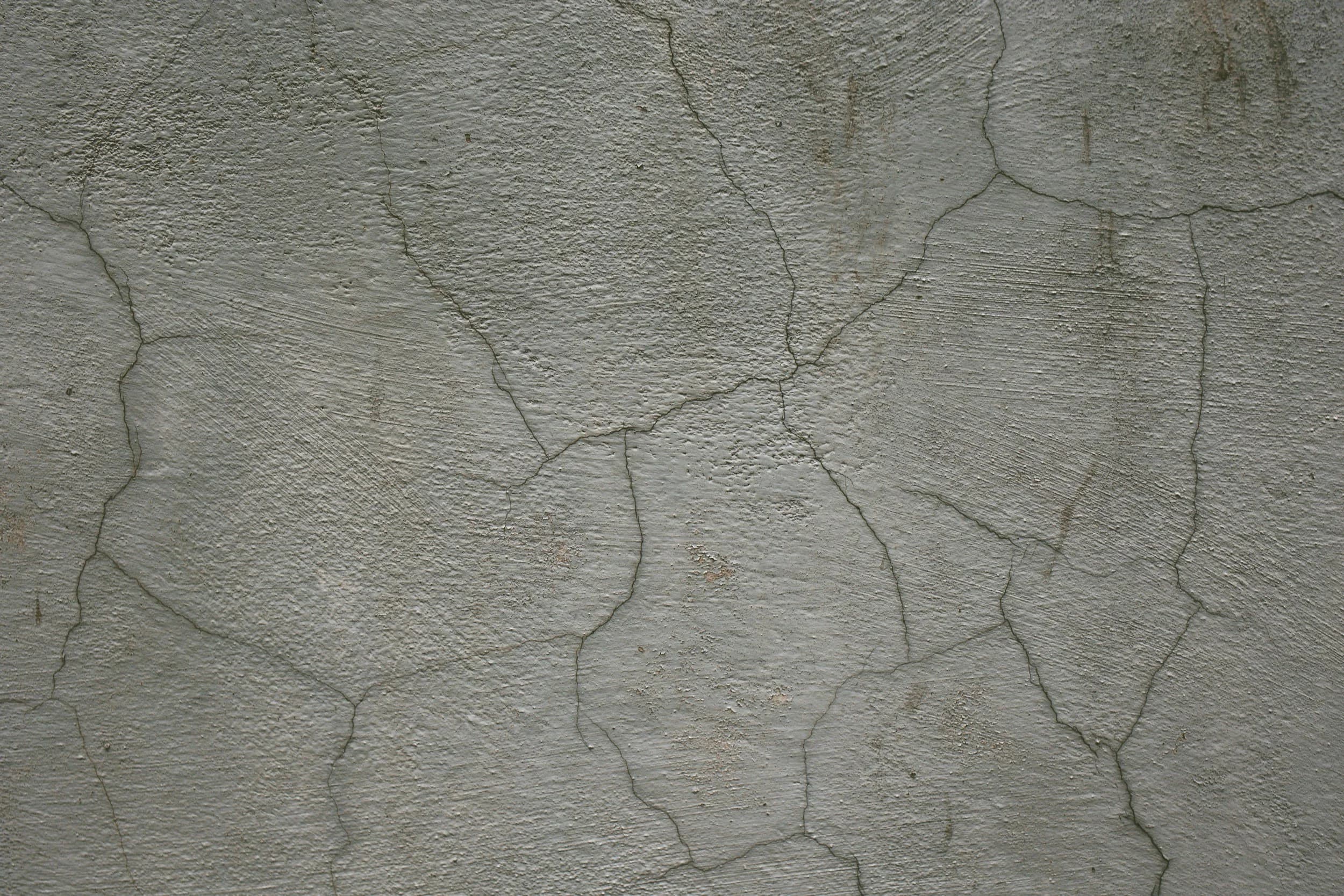
If your asphalt driveway is starting to fade, crack, or look tired, driveway sealing is one of the most cost-effective ways to protect it and restore curb appeal. But there's a lot of conflicting information out there about how often to do it, whether DIY is worth it, and what separates a job that lasts from one that fails in a season.
This guide covers what Knoxville homeowners and property owners actually need to know.
What Is Driveway Sealing?
Driveway sealing — also called seal coating — is the process of applying a protective liquid sealer over existing asphalt to shield it from sun, water, oil, and traffic wear. The sealer cures into a thin, durable film that helps prevent damage and restores a fresh, uniform black finish.
It's a preventive treatment — designed to protect pavement in good condition — not a structural fix for deep cracks or failing base layers. Think of it the way you'd think about oil changes for a car: done on a regular schedule, it extends the life of what you already have.
Why Knoxville Driveways Need Regular Sealing
East Tennessee throws a lot at asphalt: intense summer UV, heavy seasonal rain, and occasional freeze-thaw cycles in winter. Each of these degrades asphalt in a specific way:
UV rays oxidize and dry out the asphalt binder, causing surface fading, brittleness, and cracking.
Rain and water infiltration enter hairline cracks, expand during freezing, and eventually turn small cracks into potholes.
Oil and fuel drips from vehicles soften the asphalt surface and accelerate deterioration at parking spots.
De-icing chemicals break down the binder and contribute to surface raveling over time.
Without a protective layer, asphalt in the Knoxville climate typically starts showing significant wear within 5–7 years. With regular sealing, the same driveway can last 20–25 years before needing major work.
How Often Should You Seal A Driveway?
Most asphalt professionals recommend sealing residential driveways every 2–3 years, depending on traffic, sun exposure, and condition. In Knoxville's climate — with meaningful UV and at least some winter freeze-thaw — that schedule keeps a protective layer in place without over-building.
Sealing too infrequently lets the surface dry out and oxidize. Sealing too often builds up thick layers that crack and peel prematurely.
Beyond the calendar, look for these visual cues that it's time to reseal:
The surface has faded from black to gray or chalky.
Fine surface cracks are beginning to spread or widen.
Water soaks in quickly rather than beading on top.
The texture looks rough or raveled rather than smooth and uniform.
If you're seeing two or more of these signs and it's been more than two years, it's time.
Driveway Sealing Vs. Resurfacing Vs. Repaving
One of the most common questions is whether you actually need sealing or something bigger. Here's how to think about it:
Driveway sealing — best when the driveway is structurally sound but looks faded, dry, or has minor surface cracking. A thin protective coat is applied over existing asphalt. Least expensive option and the right call for most driveways under 10–12 years old in reasonable condition.
Resurfacing (overlay) — adds a new layer of asphalt over the existing surface. Used when there's moderate wear, minor structural issues, and a solid base layer underneath. More expensive than sealing, less expensive than full replacement. Right for driveways with more widespread cracking or surface deterioration.
Repaving (full replacement) — involves tearing out old asphalt and rebuilding from the base up. Necessary when there are widespread structural failures, drainage issues, or a compromised sub-base. The most expensive option, but unavoidable when the damage goes deeper than the surface.
A reputable contractor will tell you clearly which one you need. If the recommendation is to seal over a driveway with deep or widespread cracking, that's a red flag — sealing doesn't fix structural problems, it just delays addressing them while covering the visual signs.
DIY Driveway Sealing Vs. Hiring A Pro
Driveway sealer is available at big-box stores, and DIY is a viable option for smaller driveways in decent shape — if you're willing to do the prep work properly. Proper preparation is what separates a seal job that lasts 3–4 years from one that peels in a single season.
DIY works reasonably well when:
The driveway is relatively small (single car, short run).
The surface is in good condition with only minor fading.
You have time for thorough cleaning, crack filling, and proper cure time.
Professional sealing has clear advantages when:
Commercial-grade sealers and crack fillers provide significantly better durability than consumer-grade products.
Power washing and surface prep ensure the sealer bonds properly rather than sitting on top of embedded dirt.
Even, consistent application using squeegees, sprayers, or both avoids the lap marks and thin spots common in DIY jobs.
Scheduling around the forecast is handled for you — a rushed job in poor conditions fails faster.
For most Knoxville homeowners with larger or older driveways, the durability difference makes professional sealing the better long-term value — especially when combined with a driveway and walkway cleaning visit before the sealer goes down.
The Sealing Process: What Actually Happens
Whether you hire a pro or go DIY, the process follows the same sequence:
1. Preparation and cleaning
Clear vehicles, debris, and edge grass off the driveway.
Power clean the surface to remove dirt, algae, oil stains, and anything that would prevent the sealer from bonding.
Treat oil or fuel stains with degreaser — this step is often skipped in DIY jobs and is a primary cause of early failure.
2. Crack filling and minor repairs
Clean out cracks and fill with compatible crack filler, allowing proper cure time.
Address any minor potholes or edge failures before sealing.
3. Applying the sealer
Work on a dry day with no rain in the 24–48 hour forecast, with temperatures between 60–90°F.
Apply in thin, even coats — starting at the highest point and working downhill.
A second coat is often applied for better coverage and durability.
4. Curing
Keep foot and vehicle traffic off the surface until fully cured — typically 24–48 hours depending on temperature and humidity.
Rushing this step causes tracking marks and surface damage that can't be reversed.
Best Time Of Year To Seal A Driveway In Knoxville
Driveway sealing requires warm, dry conditions. In Knoxville, the practical window is late April through early October — avoiding the hottest mid-July days (which can cause the sealer to blister) and any stretch with rain in the immediate forecast.
Spring and early fall are often the best windows:
Temperatures are moderate and predictable.
Rain is foreseeable a week out.
The driveway has time to cure fully before the next season of heavy use.
Avoid sealing in late fall or early spring when overnight temperatures regularly drop below 50°F — cold temperatures prevent proper curing and can leave you with a soft, easily damaged surface.
Driveway Sealing And Your Home's Curb Appeal
A freshly sealed driveway is one of the fastest visual upgrades a property can get. The uniform dark surface makes the entire exterior look more maintained and intentional — and in real estate terms, that first-impression value is real.
For homeowners planning to sell, driveway sealing is a low-cost exterior investment that photographs well and signals to buyers that regular maintenance has been kept up. Combined with house washing, gutter cleaning, and landscaping, it creates a cohesive, well-cared-for exterior impression from the street.
Driveway Sealing Service Area In Knoxville TN
Professional driveway sealing is available throughout Knox County and surrounding East Tennessee communities, including Powell, Karns, Farragut, Lenoir City, Alcoa, Maryville, Fountain City, Loudon, Vonore, Oak Ridge, Halls Crossroads, Louisville, Sevierville, Clinton, Gibbs, Sequoyah Hills, Downtown Knoxville, and more.
If your driveway is faded, cracking, or hasn't been sealed in a few years, get a quote here — a quick look at the surface is usually all it takes to know what it needs.
Need this handled on a schedule?
Knox Exterior Care Company keeps commercial properties clean on a maintenance plan across Knox, Anderson, and Blount counties.