Knoxville Pollen & Humidity Exterior Damage – Fix It | KECC
Knoxville Property Care · Jan 14, 2026 · By Nicholas Dunn
In East Tennessee, keeping your exterior clean isn’t just about looks—it’s about managing what pollen and humidity are doing to your siding, trim, decks, and hard surfaces all year long. Knoxville’s air quality and climate quietly speed up wear on almost every exterior material if you don’t stay ahead of it.
This guide explains what pollen and moisture actually do to your home, what happens if you ignore them, and how to build a simple maintenance rhythm that fits our local weather patterns.
What Pollen Actually Does To Your Exterior
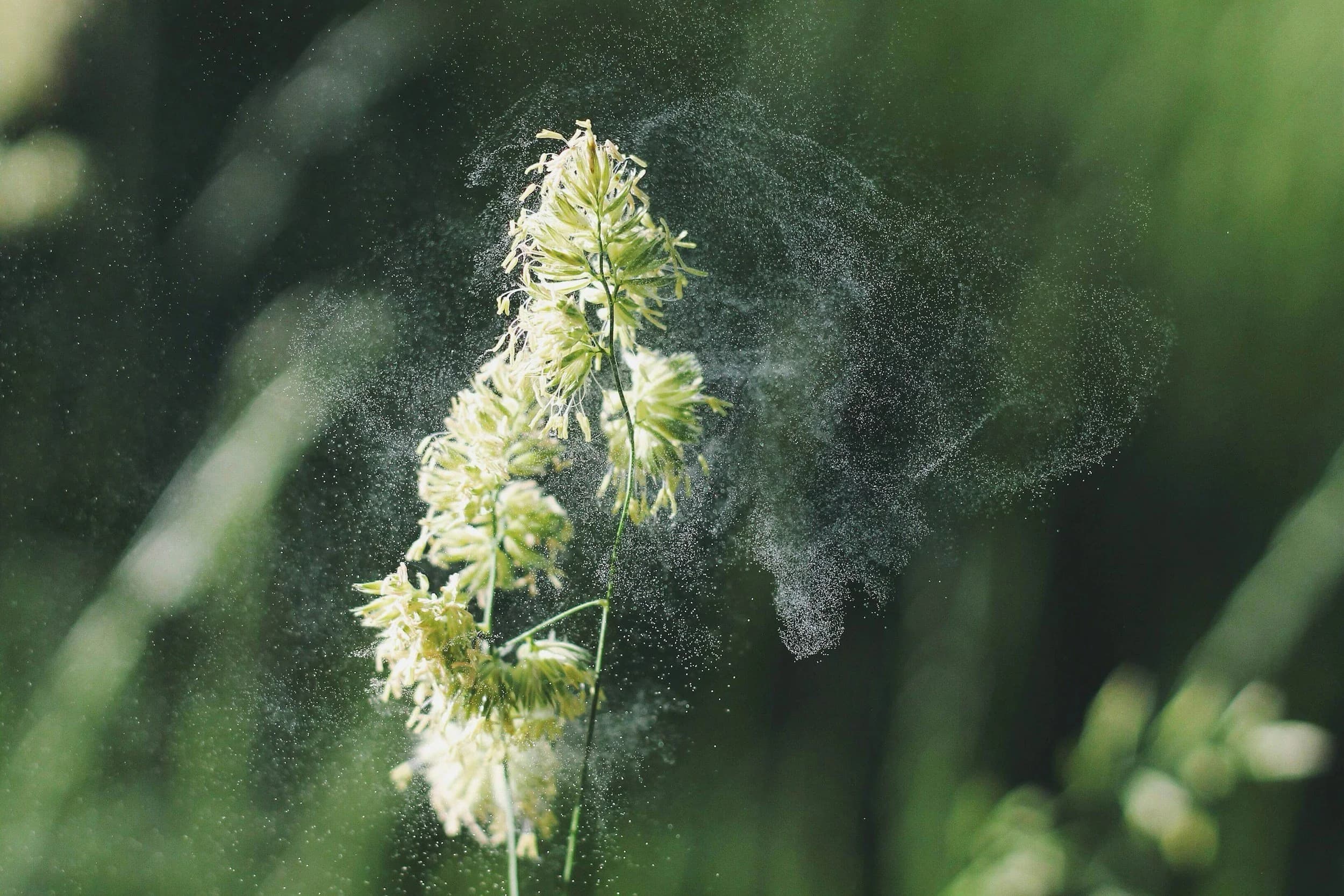
Knoxville regularly ranks near the top of national pollen charts. That yellow‑green film you see each spring is made of tiny organic particles—exactly what mold, mildew, and algae like to feed on.
Here’s how that plays out around your property:
On siding, windows, and doors, pollen dulls finishes and leaves surfaces looking tired far faster than normal dust alone.
Combined with dew and rain, it forms a light organic film that becomes food for mildew and algae on vinyl, painted wood, brick, and even some metals.
In crevices—trim edges, window tracks, deck board gaps, and gutter corners—pollen settles, stays damp longer, and becomes a starting point for growth you may not notice until staining is obvious.
On walkways and driveways, pollen mixes with moisture and dirt to create a thin, slick layer that reduces traction, especially on shaded concrete in areas like Powell, Karns, Fountain City, and Halls Crossroads.
On its own, pollen is temporary. It’s when it combines with humidity and time that it becomes a real maintenance issue.
Why Humidity Makes Everything Worse
East Tennessee humidity keeps exterior surfaces damp longer than many people realize. Instead of fully drying between rains or overnight, shaded sections and porous materials often stay in a “just damp enough for growth” zone.
As a result:
Mold and mildew flourish on north‑ and east‑facing walls, under decks, and on fence boards that never quite dry out.
Paint and stain break down faster where organic growth and constant moisture sit on the surface.
Caulking and seals around windows, doors, and trim degrade as they flex through repeated moisture cycles.
Wood surfaces in neighborhoods like Sequoyah Hills, Maryville, and Lenoir City gray, stain, and eventually soften if they aren’t cleaned and re‑coated on a schedule.
Humidity doesn’t cause every exterior problem on its own, but it makes almost all of them progress faster.
The Long-Term Damage If You Ignore It
Left untreated, pollen‐and‑humidity‑driven buildup leads to:
Premature paint failure: organic films and moisture break paint bonds, causing bubbling, peeling, and flaking years before the coating’s full life.
Weakened caulking and seals: gaps around windows and doors let water behind siding, where it can damage sheathing and framing.
Stained concrete and masonry: algae and pollen work into porous surfaces; the longer they sit, the harder they are to remove completely.
Wood rot: on decks, railings, and trim boards that stay wet, especially at end grains, joints, and horizontal surfaces.
None of this happens overnight. It’s the cumulative effect of several seasons of skipped cleanings or spot‑only attention.
A Practical Maintenance Rhythm For Knoxville Weather
You don’t have to chase every storm or pollen count, but a simple yearly rhythm makes a big difference.
After peak pollen (late April–May):
Soft wash siding, trim, and exterior details to remove the season’s buildup before it feeds summer growth.
Rinse or professionally clean decks and fences so stains don’t cook in under summer sun.
This is where a surface‑appropriate pressure and soft washing service pays off—enough cleaning power to remove buildup, without damaging the materials underneath.
Mid‑ to late summer:
Walk shaded walls, under‑deck spaces, and fence lines and look for darkening or green patches.
Address early mildew with targeted cleaning; it’s far easier to remove now than after another season of growth.
Fall:
Clean gutters after leaves drop so trapped debris and pollen don’t sit wet all winter.
Wash or treat walkways and steps before consistently cold, wet conditions make slick areas more hazardous.
Professional gutter cleaning here protects siding, foundation areas, and the edges of lawns and beds.
How KECC Fits Into A Preventative Strategy
You can absolutely rinse and spot‑clean on your own. Where a dedicated exterior maintenance partner adds value is in making this preventative work consistent instead of reactive.
Knox Exterior Care Company builds services like soft washing, gutter cleaning, driveway and walkway cleaning, and lawn care into Total Care Exterior Plans that match Knoxville’s actual weather patterns instead of a generic calendar.
That means your home gets cleaned after the worst of pollen season, checked during the humid stretch, and prepped for winter—with one schedule instead of a growing list of to‑dos.
Need this handled on a schedule?
Knox Exterior Care Company keeps commercial properties clean on a maintenance plan across Knox, Anderson, and Blount counties.