Pressure Washing Knoxville TN – Pro vs DIY Results | KECC
Exterior Maintenance Tips · Dec 17, 2025 · By Nicholas Dunn
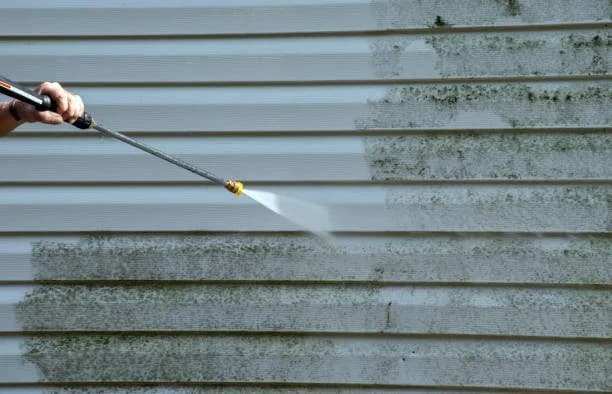
Renting a pressure washer looks like an easy win: one weekend, one machine, and your Knoxville home is “like new.” In reality, the difference between DIY and professional pressure washing often shows up months later—in etched concrete, scarred siding, or stains that were never fully removed.
This guide breaks down when DIY pressure washing makes sense, where it commonly goes wrong, and how to decide if a pro is actually cheaper over the life of your exterior surfaces.
What Pressure Washing Really Does (And Doesn’t Do)
Pressure washing uses high‑pressure water to mechanically remove dirt, algae, mildew, and some stains. Done correctly, it’s a powerful cleaning tool; done poorly, it damages surfaces or pushes water where it doesn’t belong.
Important limits:
Pressure alone doesn’t kill the root of organic growth—that’s where detergents and soft washing come in.
High pressure is not “stronger cleaning,” it’s more aggressive abrasion; on the wrong surface, it just strips or scars.
Water driven into joints, seams, and laps can create hidden moisture problems behind siding, trim, and masonry.
Understanding those limits is what separates professional results from “it looked good the day I did it.”
Where DIY Pressure Washing Can Work In Knoxville
DIY can make sense for certain situations if you’re careful:
Small, relatively flat concrete areas like a short driveway or simple patio.
Light surface dirt or pollen film where you’re not trying to remove deep stains.
Homeowners comfortable reading manuals, choosing proper tips, and keeping distance consistent to avoid striping.
If you go DIY, start with:
The lowest effective pressure, not the maximum your rental can deliver.
A wide‑angle tip (often 25° or 40°) held at a consistent distance.
Test passes in low‑visibility areas to see how the surface reacts before committing to the whole area.
This approach is slower, but it’s how you avoid permanent marks.
Where DIY Most Often Goes Wrong
Most of the “pressure washing fail” photos you see aren’t flukes—they’re common mistakes:
Getting too close to concrete and leaving “tiger stripes” that won’t blend out.
Using high pressure on siding, which can crack vinyl, scar fiber‑cement, or drive water behind boards.
Spraying upward at soffits, vents, or under siding laps, forcing water into places it was never designed to handle.
Treating roof stains with pressure instead of chemistry, stripping shingle granules and risking leaks.
Fixing that kind of damage usually costs more than a professional cleaning would have in the first place.
What Pros Bring Besides Bigger Machines
Professional exterior cleaners aren’t just “people with better equipment.” The value comes from matching equipment, chemistry, and technique to each surface and problem.
A company like Knox Exterior Care Company:
Evaluates each surface—age, material, condition—before choosing pressure, soft wash, or a combination.
Uses the right detergents and mixtures for algae, mildew, rust, oil, or general grime instead of a one‑soap‑fits‑all approach.
Controls runoff and overspray around plants, windows, and sensitive areas so you’re not solving one problem while creating another.
Knows when not to use high pressure at all, especially on roofs, siding, trim, and older masonry.
KECC’s pressure and soft washing services are built around that “surface‑first” mindset instead of simply turning up PSI.
How Knoxville’s Climate Changes The Calculation
East Tennessee’s humidity, pollen, and shade mean you’re not just rinsing off dust. You’re dealing with:
Algae and mildew that return quickly if you only blast the surface layer.
Pollen that bonds with road film and becomes a sticky film on siding and concrete.
Shaded, tree‑covered areas in places like Sequoyah Hills, Fountain City, and Halls Crossroads where moisture lingers.
Pros plan cleanings around these realities—using soft washing for organic growth, timing work after peak pollen, and adjusting their approach based on shade and drainage patterns.
When A Pro Is Usually The Better Call
Hiring a professional is usually the smarter move when:
You’re cleaning the entire exterior envelope: house/ building, gutters, concrete, and decks.
Surfaces are high, complex, or near sensitive materials (older paints, delicate trim, softwood decks).
You have persistent stains—oil, rust, heavy algae—that didn’t budge with basic DIY efforts.
You’re preparing for listing photos, appraisals, or tenant turnover and can’t afford “good enough” results.
In those scenarios, professional work doesn’t just clean better—it often extends the life of paint, coatings, and surfaces by avoiding unnecessary aggression.
Bundling Washing With Other Exterior Work
Because setup and site familiarity are a big part of the job, washing often pairs best with other exterior services. Many Knoxville owners combine:
House washing with gutter cleaning so runoff goes where it should once siding is clean.
Driveway and walkway cleaning with window washing for a full curb‑appeal refresh.
Exterior cleaning with lawn care, so grass, hard surfaces, and siding all look maintained on the same timeline.
Knox Exterior Care Company often folds washing into broader Total Care Exterior Plans, turning it into a recurring, predictable part of your property care instead of a once‑in‑a‑while project.
Need this handled on a schedule?
Knox Exterior Care Company keeps commercial properties clean on a maintenance plan across Knox, Anderson, and Blount counties.