How to Choose a Commercial Exterior Cleaning Vendor in Knoxville
Commercial Property Care · Jun 3, 2026 · By Nicholas Dunn
Choosing a commercial exterior cleaning vendor is not the same as hiring someone to wash a house. Property managers, HOA boards, NNN tenants, and storefront operators carry responsibilities that a homeowner does not: tenant safety, common-area liability, board accountability, and CAM-charge documentation that may later be audited. The wrong vendor can leave you with damaged finishes, a coverage gap, or an invoice you cannot defend. This guide walks through how to vet a commercial exterior-cleaning vendor in Knoxville and East Tennessee, with a practical checklist you can drop into an RFP or vendor agreement.
Why a Commercial Vendor Is Different From a Power-Washer With a Trailer
Plenty of capable operators can clean a driveway. Far fewer are built to service a multi-tenant retail center, an HOA's shared amenities, or a leased building where the tenant is responsible for exterior upkeep. The difference shows up in insurance, scheduling, documentation, and accountability long before it shows up in the cleaning itself. A residential crew is set up to do one-off jobs and move on. A commercial vendor is set up to be a recurring, accountable partner who can stand behind the work in writing.
Insurance: General Liability, a COI, and Workers' Compensation
Insurance is the first filter, and it eliminates a large share of low-cost operators. A true commercial vendor should carry general liability coverage and be able to provide a Certificate of Insurance (COI) on request. Just as important, they should be willing to name the property owner or management company as an additional insured on that certificate, so your organization is covered if something goes wrong on site.
Workers' compensation matters too. If an uninsured crew member is injured on your property, the liability can land on the property owner. Asking for proof of workers' comp is not paranoia; it is standard procedure for any vendor working on commercial premises. If a vendor cannot or will not produce these documents, that alone is a reason to move on.
Scheduling Around Tenants, Customers, and Business Hours
Commercial work has to happen without disrupting the people who use the property. That means cleaning a storefront entrance before opening, washing a parking structure overnight, or coordinating around an HOA's amenity hours. A vendor who only works a standard daytime schedule is a poor fit for retail, restaurants, and mixed-use sites. Ask directly about after-hours and weekend availability, and about how they coordinate access, water, and parking with tenants. This is one of the clearest signals of whether a vendor has real commercial experience. Our pages for storefront businesses and NNN tenants describe how this coordination works in practice.
Service-Completion Documentation for Boards and CAM Audits
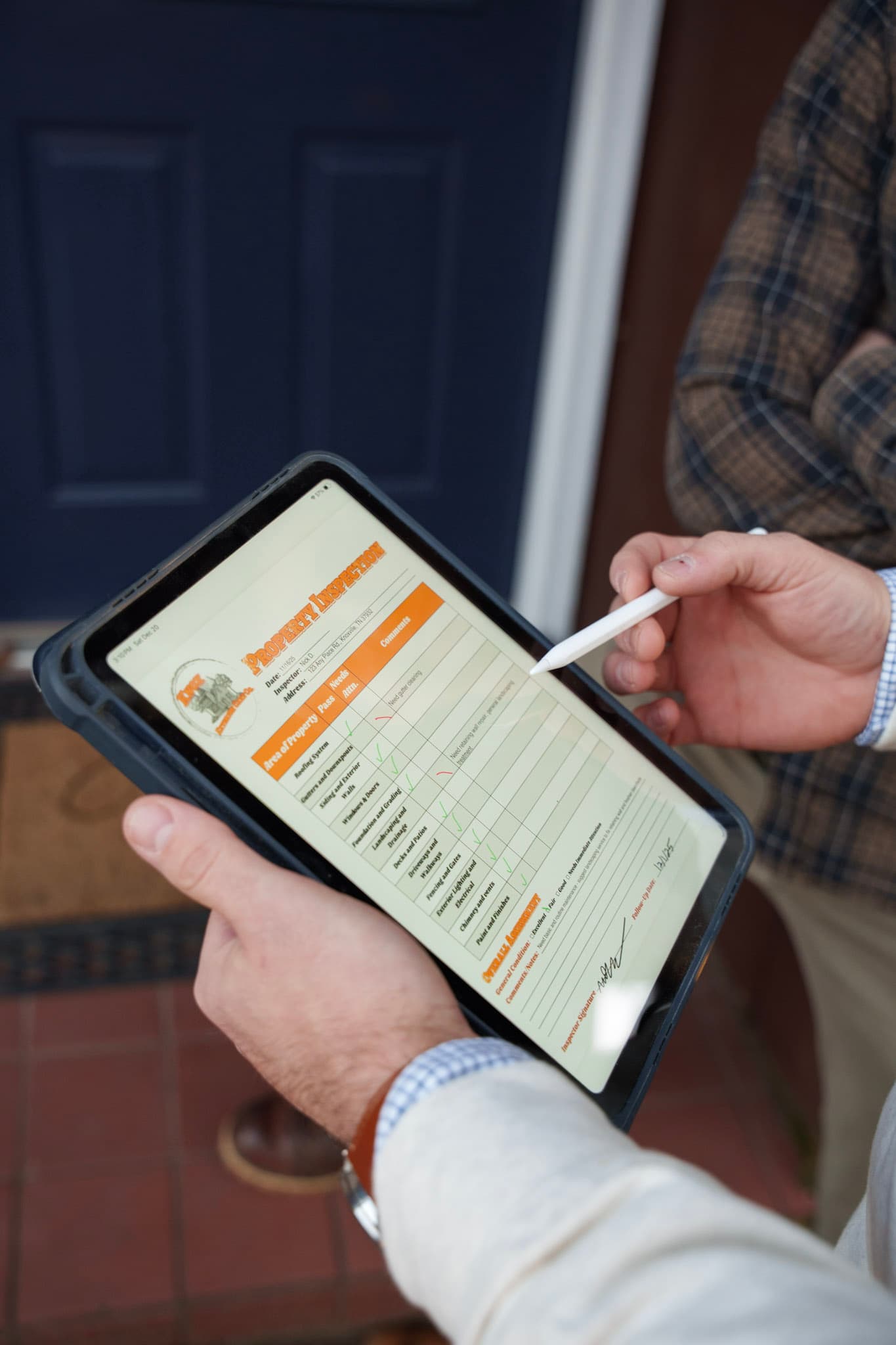
For commercial clients, the paperwork is part of the deliverable. HOA boards need a clear record of what was done and when, so it can be referenced in meeting minutes and shared with owners. NNN tenants and property managers who pass costs through CAM charges need documentation that holds up if a tenant or auditor asks why a line item exists. A vendor who can provide dated service-completion records, scope summaries, and clear invoicing makes your reporting and audit trail far easier to maintain. Ask whether the vendor documents completed work as a standard part of service, not as a special favor.
One Point of Contact, One Invoice
Managing a property is complicated enough without juggling separate crews for soft washing, window cleaning, gutters, and parking-lot sweeping. A commercial vendor should give you a single point of contact who knows your property and a consolidated invoice that covers the agreed scope. This reduces administrative overhead, prevents work from falling through the cracks, and makes budgeting predictable. Consolidating exterior services under one accountable partner is a core reason property managers move to a maintenance relationship in the first place. You can see the range of work that can be consolidated on our services overview.
Surface Knowledge: Soft Washing vs. Pressure Washing
Not every surface should be cleaned the same way, and using high pressure on the wrong material causes real damage. Soft washing uses low pressure and appropriate cleaning solutions to treat surfaces like siding, painted finishes, stucco, and many roofs. Pressure washing is appropriate for durable hard surfaces like concrete and certain masonry. A vendor who reaches for the same high-pressure wand on every surface can etch concrete, force water behind siding, strip finishes, or damage roofing. Ask how a vendor decides which method to use, and whether they understand the materials common to East Tennessee commercial buildings. The right answer reflects experience, not a single setting on a machine.
Accountability and Maintenance Plan Stability vs. One-Off Crews
One-off crews disappear after the job. When a problem surfaces a month later, there may be no one to call. A vendor working under a maintenance agreement has an ongoing relationship to protect, which changes how they show up and how they stand behind their work. A predictable schedule also keeps the property consistently maintained rather than cleaned reactively when something already looks bad. For most commercial properties, that stability is the real value, and it is the foundation of our maintenance plans and the preventative maintenance approach.
The Vendor Vetting Checklist
Use the following as a starting point for an RFP or vendor agreement. Adapt it to your property type and risk tolerance.
Can you provide a Certificate of Insurance (COI) and name our property or owner as additional insured?
Do you carry general liability and workers' compensation coverage, and can you document both?
Can you schedule around tenants, customers, and business hours, including after-hours or weekends?
Do you provide dated service-completion documentation suitable for board minutes and CAM-charge records?
Will we have a single point of contact and a consolidated invoice for all agreed services?
How do you decide between soft washing and pressure washing for different surfaces?
Can you provide references from comparable commercial properties in the Knoxville area?
Do you offer a maintenance agreement with a defined scope and schedule rather than one-off visits?
Red Flags to Watch For
No Certificate of Insurance, or unwillingness to name your property as additional insured.
Cash-only pricing with no formal invoice or paper trail.
No commercial references and no examples of comparable work.
One pressure setting and one method for every surface, regardless of material.
No defined schedule, no consistent point of contact, and no documentation of completed work.
Questions and Answers
What insurance should a commercial exterior cleaning vendor carry? At minimum, general liability and workers' compensation. They should be able to provide a Certificate of Insurance on request and name your property or management company as additional insured.
Why does soft washing matter for commercial buildings? Many commercial surfaces, including siding, painted finishes, and most roofs, can be damaged by high pressure. Soft washing uses low pressure and appropriate solutions so finishes are cleaned without harm.
Is a maintenance plan better than hiring per job? For most commercial properties, yes. A maintenance agreement provides a predictable schedule, a consistent point of contact, consolidated invoicing, and an accountable partner who stands behind the work over time.
If you manage commercial property in Knoxville and want a vendor who can meet these standards, learn more about how we work with property management companies and the clients we serve on our who we serve page. When you are ready, contact us to discuss your property and request a Certificate of Insurance.
Need this handled on a schedule?
Knox Exterior Care Company keeps commercial properties clean on a maintenance plan across Knox, Anderson, and Blount counties.