11 Costly Exterior Maintenance Mistakes for Knoxville Homeowners | KECC
Knoxville Property Care · Apr 26, 2026 · By Nicholas Dunn
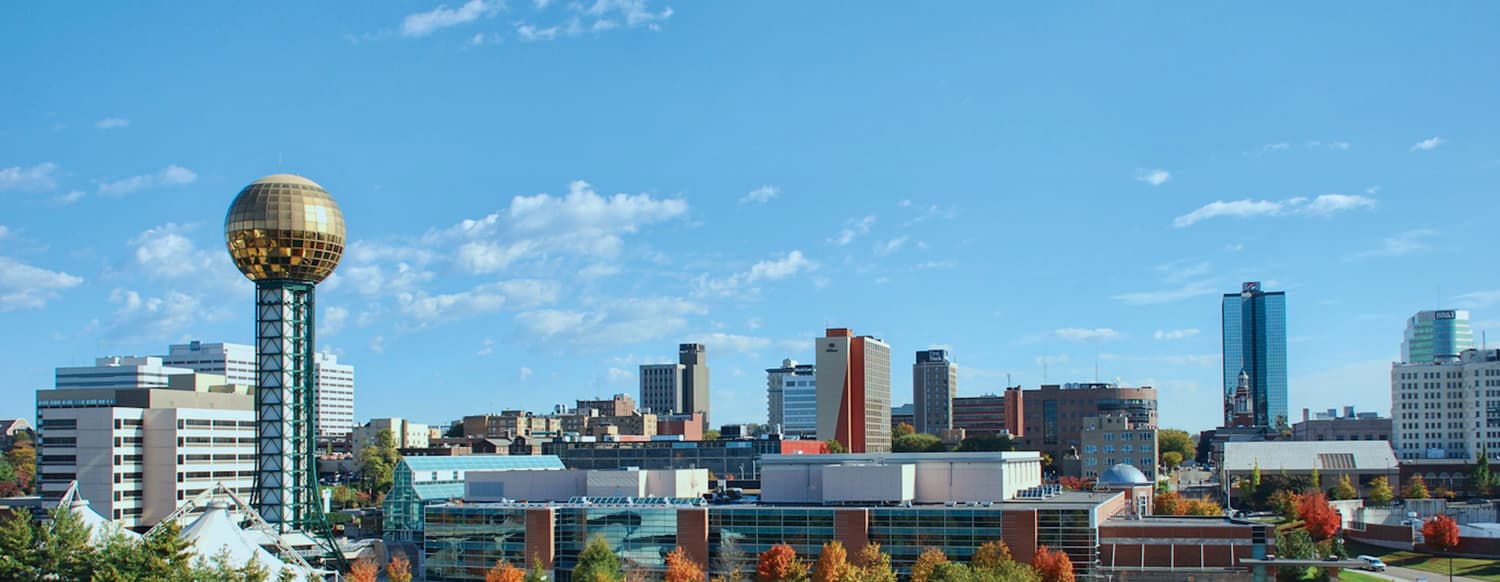
If you own a home in Knoxville, the weather is working on your exterior 365 days a year. High humidity, frequent rain, and summer heat mean your siding, roof, concrete, and lawn are under constant pressure—even when nothing looks wrong yet.
Below are 11 data-backed mistakes Knoxville homeowners commonly make, what they actually cost over time, and how to fix them (whether you DIY or bring in a local company like Knox Exterior Care Company).
1. Ignoring Gutters Until They Overflow
Knoxville averages around 48–52 inches of rain per year, which means your gutters are handling a lot of water. When they clog, that water has to go somewhere—usually into fascia boards, foundations, or basements.
National data shows that neglected gutters commonly lead to water damage repairs in the 8,000–25,000 dollar range when flooding or foundation issues appear.
By comparison, professional gutter cleaning typically runs a few hundred dollars per year for most homes.
In practical terms: two quick cleanings a year is one of the highest-ROI moves you can make on your house.
2. Treating Roof Stains as “Just cosmetic”
Those black streaks on Knoxville roofs are often algae and organic growth taking advantage of our humid climate and frequent rainfall. Left alone, growth can shorten shingle life and increase the risk of leaks.
Professional roof cleaning usually lands in the 300–600 dollar range for many homes.
Replacing an asphalt roof commonly jumps into the 15,000–40,000 dollar range depending on size and materials.
That means a few periodic cleanings over the life of the roof can pay for themselves many times over—and it’s far safer to have a trained exterior specialist soft wash the surface than to walk the roof yourself.
3. Letting Knoxville’s Humidity Eat Your Siding
With average annual humidity around 76 percent, Knoxville is prime territory for mildew and algae on siding and trim. Dirt and organic buildup hold moisture against surfaces, which accelerates rot, pest activity, and paint failure.
Annual or semiannual washing in the 200–400 dollar range can help siding reach its full life expectancy.
Full siding replacement frequently costs 12,000–20,000 dollars or more, especially for larger homes.
This is why many local homeowners schedule routine soft washing with a service company instead of waiting until the siding “looks bad.” KECC, for example, bundles this into recurring maintenance plans so it’s on autopilot.
4. Using High-Pressure Washing on the Wrong Surfaces
“More pressure” isn’t better—it’s just more damage. Using a big-box pressure washer on vinyl siding, decks, or older brick can strip protective coatings, etch surfaces, and force water behind materials.
Industry data shows that improper DIY pressure washing can void manufacturer warranties and lead to premature painting, staining, or even siding replacement.
Soft washing uses detergents and low pressure to safely remove growth from siding, roofs, and many exterior surfaces.
For Knoxville homeowners, the right approach is usually: pressure for hard, durable concrete; soft washing for delicate or coated surfaces. A local company like Knox Exterior Care Company can evaluate which method is safest for each part of the property.
5. Forgetting Driveways and Walkways Until They Crack
East Tennessee’s temperature swings and heavy rain put a lot of stress on driveways and walkways. Water intrudes into small cracks, then expands and contracts, making problems worse.
Preventative sealing and drainage improvements in the 500–1,500 dollar range help avoid foundation issues and major surface failures.
Once things get bad, driveway or foundation repairs can easily jump into the 8,000–20,000 dollar range.
Regular cleaning plus periodic sealing keeps concrete and asphalt surfaces safer, better looking, and more stable—something KECC emphasizes in its driveway and hardscape care services.
6. Overlooking “Small” Exterior Issues That Become Big Repairs
Across the U.S., roughly 82 percent of homeowners need at least one repair, and about 40 percent expect to repair windows, roofs, or plumbing within five years. Many of those started as tiny issues on the exterior envelope of the home.
Examples of small problems that tend to snowball:
Minor caulk gaps around windows that turn into rot.
Peeling trim paint that becomes soft, decayed wood.
Loose downspouts that slowly wash out soil near foundations.
A structured exterior inspection once or twice a year—DIY or with a service provider like KECC—catches these early, when they’re still quick fixes instead of insurance claims.
7. Underestimating How Knoxville’s Seasons Add Up
Knoxville’s climate means homes see heat in the high 80s, cold snaps in the 20s, about 55 inches of annual precipitation, and frequent dew and condensation. That combination is rough on everything from roofing and caulk lines to decks and fences.
Instead of reacting season by season, it helps to think in terms of an annual exterior calendar:
Spring: Clean gutters, wash siding, check for winter damage.
Summer: Inspect decks, fences, and irrigation overspray.
Fall: Clear leaves from roofs and gutters, prep for freeze-thaw.
Winter: Monitor ice, drainage, and any snow or freeze damage.
This is the logic behind KECC’s subscription-style plans: bundling these tasks on a schedule that matches Knoxville’s actual weather patterns rather than guesswork.
8. Treating Pet Waste as Just a Yard Aesthetic Problem
For many Knoxville neighborhoods, dogs are part of the family—and also a quiet maintenance issue. Pet waste doesn’t just smell; it contains acids and nutrients that can burn grass, damage soil health, and attract pests.
Over time, heavy pet traffic areas can become muddy, patchy zones that need re-sodding or more extensive lawn renovation, which can run into the thousands depending on yard size.
Regular cleanup—whether you handle it yourself or use a recurring service—protects both turf and outdoor living spaces, especially in smaller yards common around Knoxville.
This is why KECC includes pet waste cleanup as a standalone service and as part of larger exterior care plans.
9. Only Mowing the Lawn and Calling It “Lawn Care”
Knoxville’s growing season is long, and lawns deal with heavy rain, heat, and humidity. Mowing alone doesn’t address compaction, thatch, or drainage—issues that gradually weaken turf and invite weeds.
Well-maintained landscapes in rental and owner-occupied properties correlate with better tenant behavior and higher satisfaction, which protects property values and cash flow for investors.
Seasonal services like aeration, overseeding, and consistent edging can be the difference between a lawn that constantly struggles and one that reliably looks “listing-ready.”
Many local homeowners now opt for recurring lawn care plans—like those offered by Knox Exterior Care Company—so mowing, trimming, and seasonal adjustments are handled on a predictable schedule.
10. Neglecting Commercial and Rental Exteriors Because “Tenants Don’t Mind”
For Knoxville landlords, HOAs, and small business owners, exterior appearance isn’t just about curb appeal—it’s about occupancy and behavior. Well-maintained exteriors support better tenant care of the property and stronger retention.
Dirty facades, stained sidewalks, and overflowing dumpsters can speed up wear and tear, attract pests, and subtly shift how tenants treat the space.
Regular exterior cleaning, parking lot sweeping, and window washing are modest operating expenses compared to turnover costs, vacancy loss, or major exterior repairs.
That’s why more local property managers are budgeting recurring exterior services—sometimes through a single vendor like KECC—to keep multi-unit and commercial properties on a tight maintenance cycle.
11. Not Putting Exterior Care on Autopilot
Nearly 60 percent of U.S. homeowners report putting off needed repairs because of time, money, or decision fatigue. Knoxville is no exception. The problem isn’t usually knowledge—it’s bandwidth.
Preventive maintenance typically costs three to five times less than the emergency repairs that result from deferring it.
Bundling tasks into a predictable monthly or seasonal plan removes the mental load, especially for busy professionals, landlords, and business owners.
Companies like Knox Exterior Care Company have leaned into this by offering structured exterior plans for Knoxville homeowners, commercial buildings, and rental portfolios so that critical tasks happen automatically instead of waiting for “when things slow down.”
How to Turn This Into a Simple Exterior Plan
If you want to protect your Knoxville home without babysitting a long checklist, start with three steps:
Walk your property and note anything stained, soft, cracked, or growing.
Prioritize gutters, roof, siding/trim, and drainage—these are the systems that protect everything else.
Decide what you’ll DIY and what you’ll outsource on a recurring basis (to a local provider like KECC or your preferred exterior company).
The goal isn’t perfection; it’s putting a lightweight system in place so Knoxville’s weather and seasons work with your maintenance plan—not against it.
Need this handled on a schedule?
Knox Exterior Care Company keeps commercial properties clean on a maintenance plan across Knox, Anderson, and Blount counties.