HOA Exterior Maintenance Knoxville: A Board's Guide
HOA & Community Associations · May 24, 2026 · By Nicholas Dunn
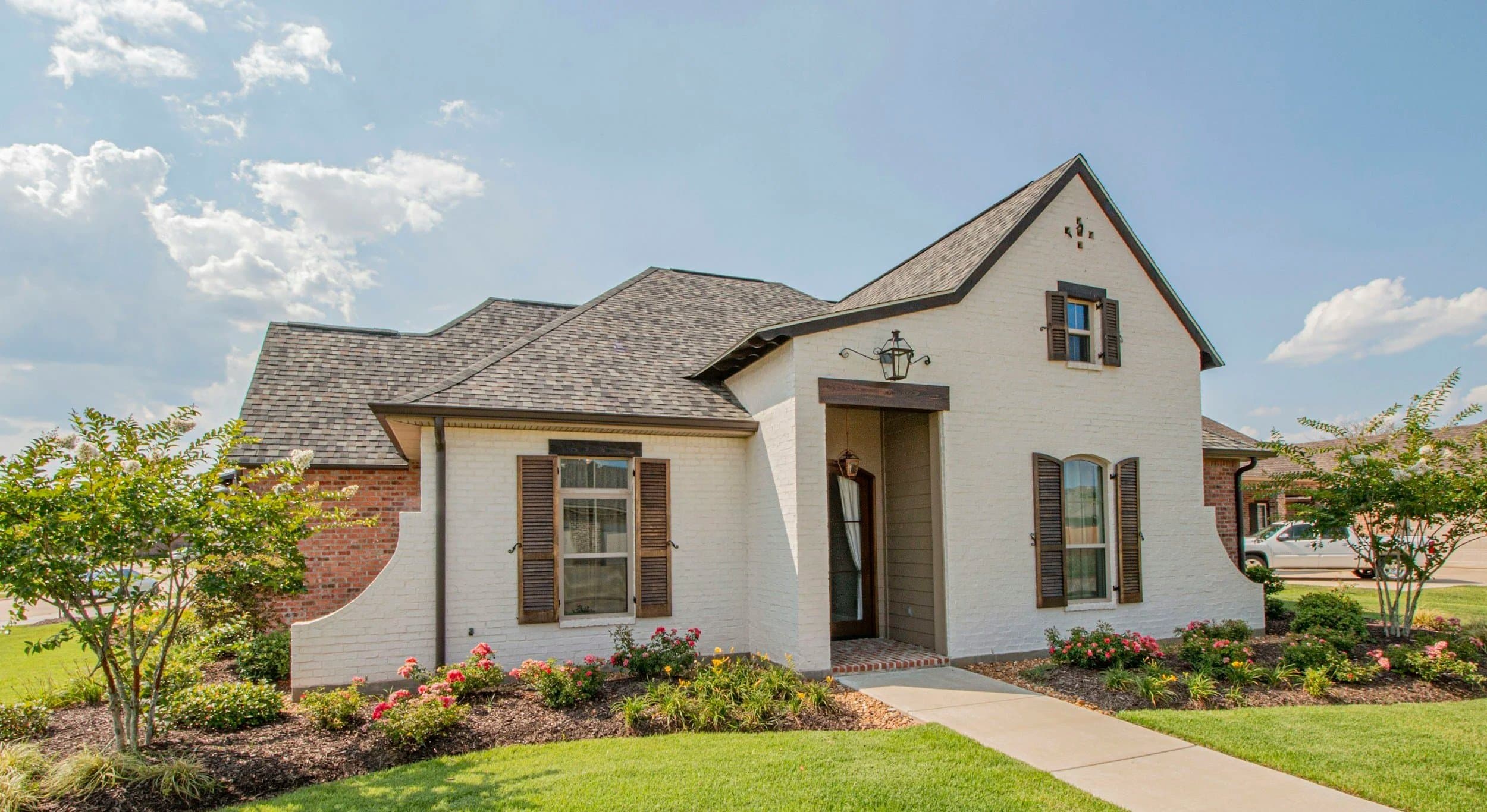
For an HOA or community-association board in Knoxville, exterior maintenance is one of those responsibilities that feels straightforward until the budget meeting arrives. Algae streaks creep across the clubhouse, the entry monument looks tired, and a homeowner emails about a moldy common-area sidewalk. Suddenly the board is fielding three bids on short notice and trying to remember what was done last year. This guide lays out a calmer, more defensible approach: understanding which assets you are responsible for, turning unpredictable cleaning work into a predictable annual line item, and documenting it in a way that supports your fiduciary diligence. The specifics of your association's responsibilities are governed by your declaration and bylaws, so confirm the details with your management company or attorney before acting.
Which Exterior Assets the HOA Typically Maintains
The first step is clarity on scope. In most planned communities and condominium associations, the HOA is responsible for common-area and shared exterior elements, while individual owners handle what falls inside their unit or lot boundary. Where exactly that line sits depends entirely on your governing documents, but boards commonly find themselves responsible for the following assets:
Clubhouses, amenity buildings, and leasing or meeting offices
Entry monuments, community signage, and decorative masonry or stonework
Common-area sidewalks, shared walkways, and breezeways
Shared building exteriors such as siding, soffits, and trim on condo or townhome structures
Mailbox kiosks and cluster-box surrounds
Perimeter and amenity fencing
Pool-area hardscape, deck surfaces, and surrounding concrete
It is worth mapping these assets once and keeping the list. A simple inventory of what the association owns and cleans removes ambiguity, speeds up budgeting, and makes it far easier to brief a vendor on a written scope of work. KECC works with boards across the region on exactly this kind of recurring common-area care through our exterior services for HOAs program.
Budgeting and Reserves: From Surprise to Line Item
The single biggest improvement most boards can make is to stop treating exterior cleaning as a series of emergencies and start treating it as a planned operating expense. When pressure washing, gutter clearing, and window cleaning are scheduled in advance, they become a known annual figure the board can present, defend, and forecast.
A maintenance plan or scheduled-service arrangement is the practical mechanism for this. Instead of soliciting reactive bids each spring, the board agrees to a defined annual scope at a set cost, billed predictably across the year. That structure smooths cash flow, reduces the administrative burden of repeated bidding, and gives the treasurer a stable number to build the budget around. You can read how this works in our overview of maintenance plans.
Predictable scheduling also protects reserves. Deferred exterior maintenance does not stay neutral; organic growth, debris, and grime accelerate wear on coatings, sealants, and surfaces, which tends to pull forward the date of expensive repairs or replacements. Consistent cleaning is a comparatively low-cost way to extend the service life of assets your reserve study already accounts for. We cover that economics in more detail in our piece on preventative maintenance cost savings. As always, how your association funds operating versus reserve expenses is a governance question for your manager or accountant.
Documentation, Transparency, and Fiduciary Diligence
Boards are stewards of other people's money, and good records are how that stewardship is demonstrated. Scheduled exterior care produces a clean paper trail almost automatically, which is valuable when owners ask questions or when board membership turns over.
As a general best practice, keep documentation that includes the written scope of work, the cleaning schedule and dates of service, before-and-after photos where practical, vendor insurance certificates, and the cost. Recording these items in board minutes and making them available to owners supports transparency and shows the board is acting with reasonable diligence. It also defuses the common complaint that the association is not maintaining the property: when a board can point to a documented annual plan and completed service dates, the conversation shifts from suspicion to facts. Your management company or attorney can advise on exactly what your association should retain and disclose.
Vendor Requirements Every Board Should Insist On
Hiring exterior contractors who will be working around residents, amenities, and shared structures calls for a few non-negotiables. Insisting on these protects both the association and its members:
A current Certificate of Insurance (COI) naming the association, with general liability and workers' compensation coverage
A written scope of work that lists the specific assets, methods, and frequency, so expectations are not left to memory
Scheduling that works around residents, with advance notice for pool-area, walkway, or building work and sensitivity to noise and access
References from other community associations or commercial properties
Appropriate methods for each surface, including soft washing for siding and roofs rather than indiscriminate high pressure
That last point matters in shared communities. Different surfaces require different approaches, and the right method protects finishes and landscaping. Our overview of pressure and soft washing explains where each technique belongs.
Recommended Cleaning Cadences for East Tennessee
Knoxville and the surrounding East Tennessee communities present a specific challenge: heavy spring tree pollen, warm and humid summers, and tree-shaded common areas combine to encourage algae, mildew, and organic staining on north-facing siding, concrete, and roofs. Cadence should be tuned to that climate rather than to a generic national schedule.
As a general framework, many associations find that high-visibility surfaces such as entry monuments, clubhouse exteriors, and pool-area hardscape benefit from cleaning once or twice a year, with the heavier pass timed after spring pollen season. Common-area sidewalks and breezeways that collect organic growth in shaded, damp spots may warrant attention on a similar or slightly more frequent rhythm. Gutters on amenity buildings are typically cleared at least twice a year, and more often where mature trees overhang. Soft washing of siding and roofs is generally a longer-interval task driven by visible biological growth. The right cadence for your community depends on tree cover, sun exposure, and how quickly surfaces actually soil, which a vendor can help you calibrate after walking the property.
How Consistent Care Protects Value and Reduces Complaints
Curb appeal is not cosmetic for a community association; it is tied directly to the perceived value of every home in the neighborhood. Clean entry monuments, bright signage, and well-kept common buildings signal that the community is managed and cared for, which supports property values and makes a stronger impression on prospective buyers and their agents. Just as important, a steady cadence prevents the slow drift into visible neglect that generates owner complaints in the first place. When grime never gets a chance to accumulate, there is far less for residents to notice, photograph, and email the board about.
Frequently Asked Questions
What exterior items is an HOA usually responsible for cleaning? Most associations maintain common-area and shared exterior elements such as clubhouses and amenity buildings, entry monuments and signage, shared sidewalks and building exteriors, mailbox kiosks, fencing, and pool-area hardscape. The exact division between association and owner responsibility is set by your declaration and bylaws, so confirm specifics with your management company or attorney.
How can our board make exterior maintenance costs predictable? Move from reactive bidding to a scheduled-service or maintenance plan arrangement that defines an annual scope at a set cost billed across the year. This produces a stable budget line item, smooths cash flow, and creates documentation the board can present to owners.
How often should common areas be cleaned in the Knoxville climate? Cadence depends on tree cover, sun exposure, and humidity, but many East Tennessee communities clean high-visibility surfaces once or twice a year, time the main pass after spring pollen season, and clear amenity-building gutters at least twice annually. A vendor can calibrate the schedule after assessing your property.
If your board is ready to turn exterior care into a planned, documented line item, KECC can walk your common areas and propose a scope and cadence built for your community. Reach out through our contact page to start the conversation.
Need this handled on a schedule?
Knox Exterior Care Company keeps commercial properties clean on a maintenance plan across Knox, Anderson, and Blount counties.