HOA Common-Area Pressure Washing: What the Board Is Responsible For
HOA & Community Associations · Jun 12, 2026 · By Nicholas Dunn
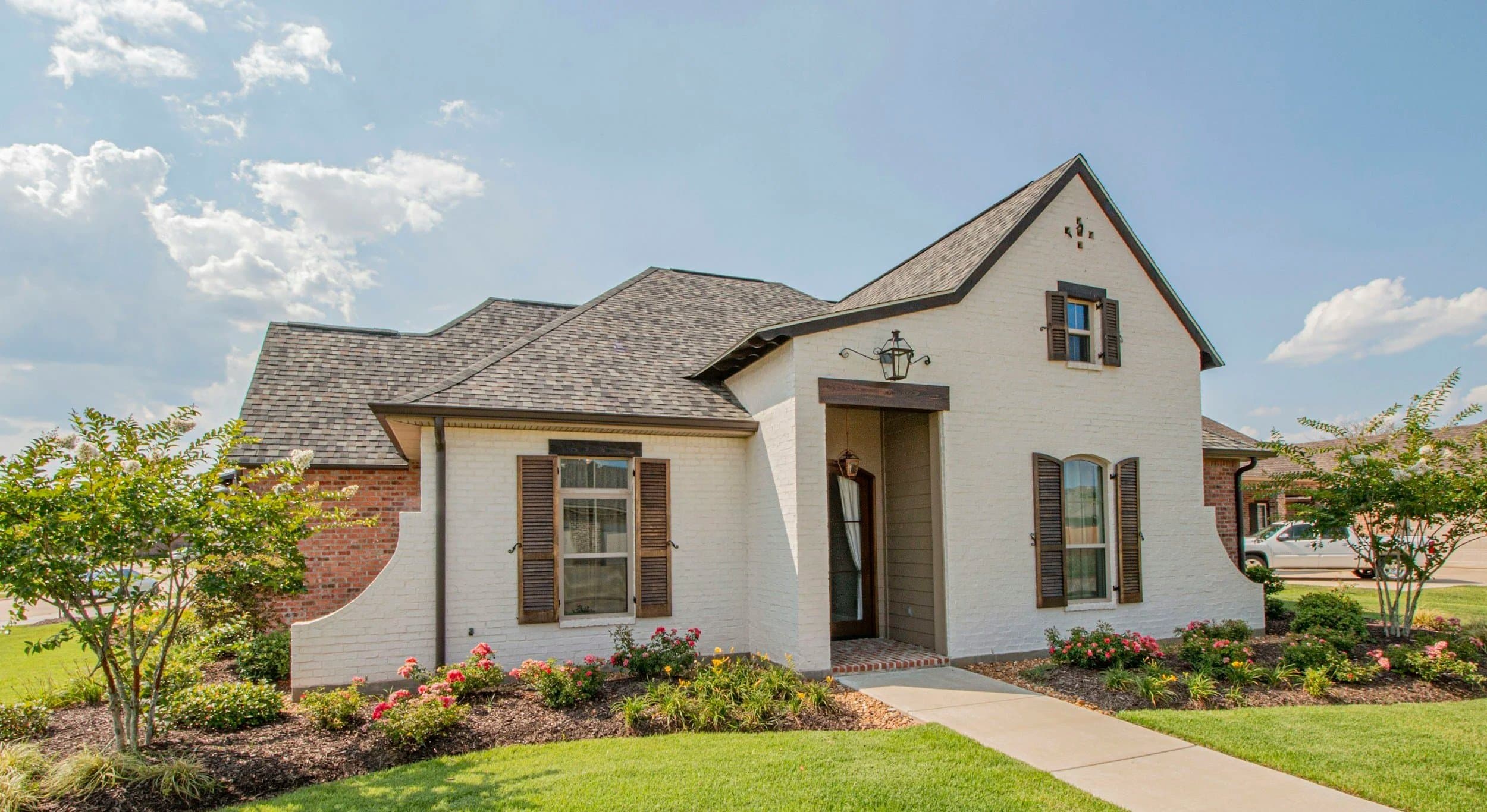
"Who is responsible for cleaning that?" is a question HOA boards field constantly — about the clubhouse, the entrance sign, the shared sidewalks, the mailbox kiosk. The answer lives in your governing documents, but the patterns are consistent enough to plan around. Here is how common-area cleaning responsibility usually breaks down for a homeowners association, and how to keep it budgeted and documented in the Knoxville area.
This is general guidance, not legal advice — your declaration and CC&Rs control what your specific association is responsible for.
Where the board's responsibility starts
Most single-family HOAs draw a clean line: the association maintains the common areas, and the homeowner maintains their own lot and home exterior. The board's cleaning responsibility typically covers the shared, association-owned surfaces — not an individual member's siding or driveway.
Condominium and townhome regimes are different. There, the association often owns and maintains the building exteriors themselves — so facade, breezeway, and shared-wall cleaning may fall to the board rather than the unit owner. Always check which regime your community is, because it changes the answer completely.
Common-area surfaces that typically need cleaning
- Clubhouse, amenity buildings, and restrooms (exterior)
- Pool deck, surrounds, and fencing
- Entrance monuments, community signage, and gate columns
- Shared sidewalks, paths, and crosswalks
- Mailbox kiosks and package areas
- Perimeter and retaining walls, common fencing
- Shared parking and visitor areas
How often should HOA common areas be pressure washed?
| Surface | Typical cadence |
|---|---|
| Shared sidewalks & entries | 1–2x per year (quarterly for high-traffic) |
| Clubhouse & pool deck | Before season opens; refresh mid-season |
| Entrance monuments & signage | 1–2x per year |
| Fencing & retaining walls | Annually, or as algae appears |
Knoxville's humidity means north- and shade-facing surfaces grow algae and green streaking faster, so shaded entries and walls often need the tighter end of each range.
Documenting it for the board and the reserve study
Common-area cleaning is easier to govern when it is on a standing schedule rather than a reactive scramble before the annual meeting. A fixed cadence gives the board a predictable line item, before-and-after records for the minutes, and clean documentation that supports the reserve study and member questions. A maintenance plan makes that automatic — auto-renewing, committee-friendly, and documented every visit.
For the bigger picture on roles, budgeting, and vendor management, see our HOA exterior maintenance guide for boards. And if your association wants common areas kept clean on a schedule your board sets once, see how we work with HOAs or request a quote.
Need this handled on a schedule?
Knox Exterior Care Company keeps commercial properties clean on a maintenance plan across Knox, Anderson, and Blount counties.